
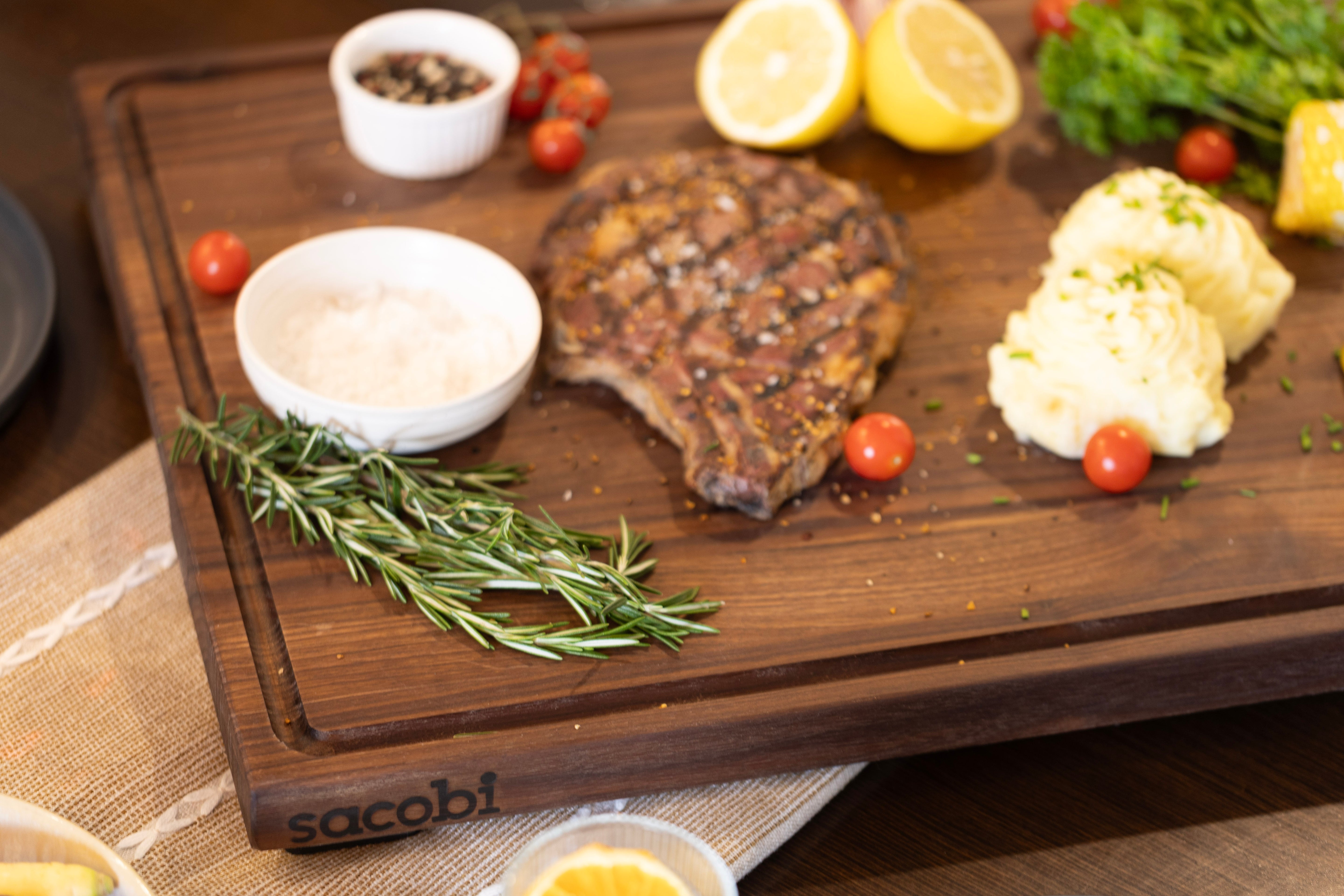
Why choose a wooden cutting board over a plastic one?
Because wood is a living, noble, and generous material. Naturally antibacterial, it protects your food and your knives, while gaining character over time.
1. Eco-friendly & responsible
Plastic cutting boards break down into invisible microplastics, which can be ingested daily. Some plastics contain additives that may migrate into food, especially if the board is old, scratched, or exposed to heat (e.g., very hot water or dishwasher).
Wood, on the other hand, is a renewable, biodegradable resource that is safe for health. Even when worn, it remains natural and does not release toxic particles into your food. Choosing a wooden cutting board means making no compromise on your well-being or the environment.
2. Natural hygiene
Certain hardwoods, like maple, naturally possess antibacterial properties that inhibit the growth of microbes. Thanks to its dense structure and tight grain, the fibers of wooden boards prevent moisture and bacteria from penetrating. Unlike plastic, wood limits microbial growth while remaining gentle on knife blades. Ideal for cutting boards, it provides a hygienic, durable, and easy-to-maintain surface. In contrast, plastic often retains knife marks and bacteria on its surface.
3. Superior durability
A well-maintained wooden cutting board ages gracefully. Its fibers slightly close after cuts, preserving the surface, whereas plastic wears down, hollows out, and loses its effectiveness.
4. Knife-friendly
Hardwood welcomes the knife blade gently. Softer than glass or some plastics, it preserves the sharpness of your knives and helps extend the life of your kitchen tools.
5. Elegance & conviviality
Beyond its functionality, wood warms your kitchen. Authentic and refined, it easily transforms into a serving board, enhancing your meals and moments of sharing.
Choosing a wooden cutting board means embracing the essence of the moment: an object that is both practical, durable, and inviting.
Are Sacobi cutting boards hygienic?
Yes. Our boards are made from fine, tight-grain woods, which naturally limit the absorption of moisture and bacteria. With simple care, hand washing and quick drying, they remain healthy and durable for years.
How do I clean my Sacobi wooden cutting board?
To care for your wooden cutting board, it is essential to handle it gently and regularly. After each use, wash it by hand with mild soap and warm water, then dry it immediately with a clean cloth. Avoid the dishwasher and prolonged soaking, which can damage the wood.
Once the surface is completely dry, apply Sacobi board balm: its blended formula penetrates deeply to hydrate, protect, and revive the wood grain while providing a satin finish. When used regularly, it protects the surface from drying, stains, and cracks, helping your board maintain its elegance and shine over time.
Where are Sacobi cutting boards made?
All our cutting boards are designed and crafted in Quebec from 100% Canadian hardwood. Choosing Sacobi means supporting local, responsible craftsmanship.
What is the return policy ?
We guarantee the quality of our products. If you notice a manufacturing defect, you have 10 days after receipt to contact us. We prioritize customer satisfaction — your Sacobi cutting board
Do Sacobi cutting boards suit professionals?
Yes. Our professional cutting boards are approved by chefs and cooking enthusiasts. Their durability
What is the best wood for a cutting board?
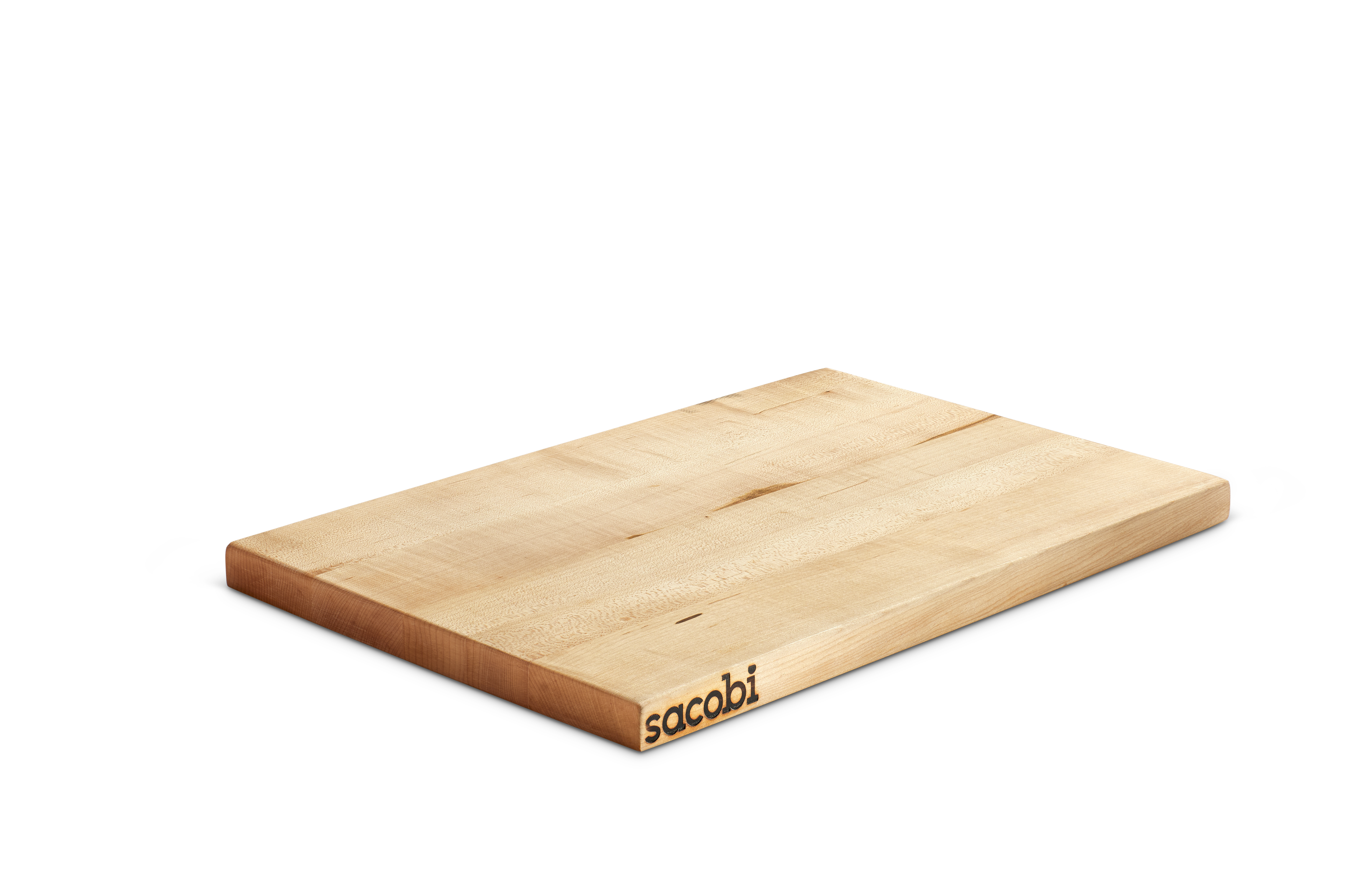
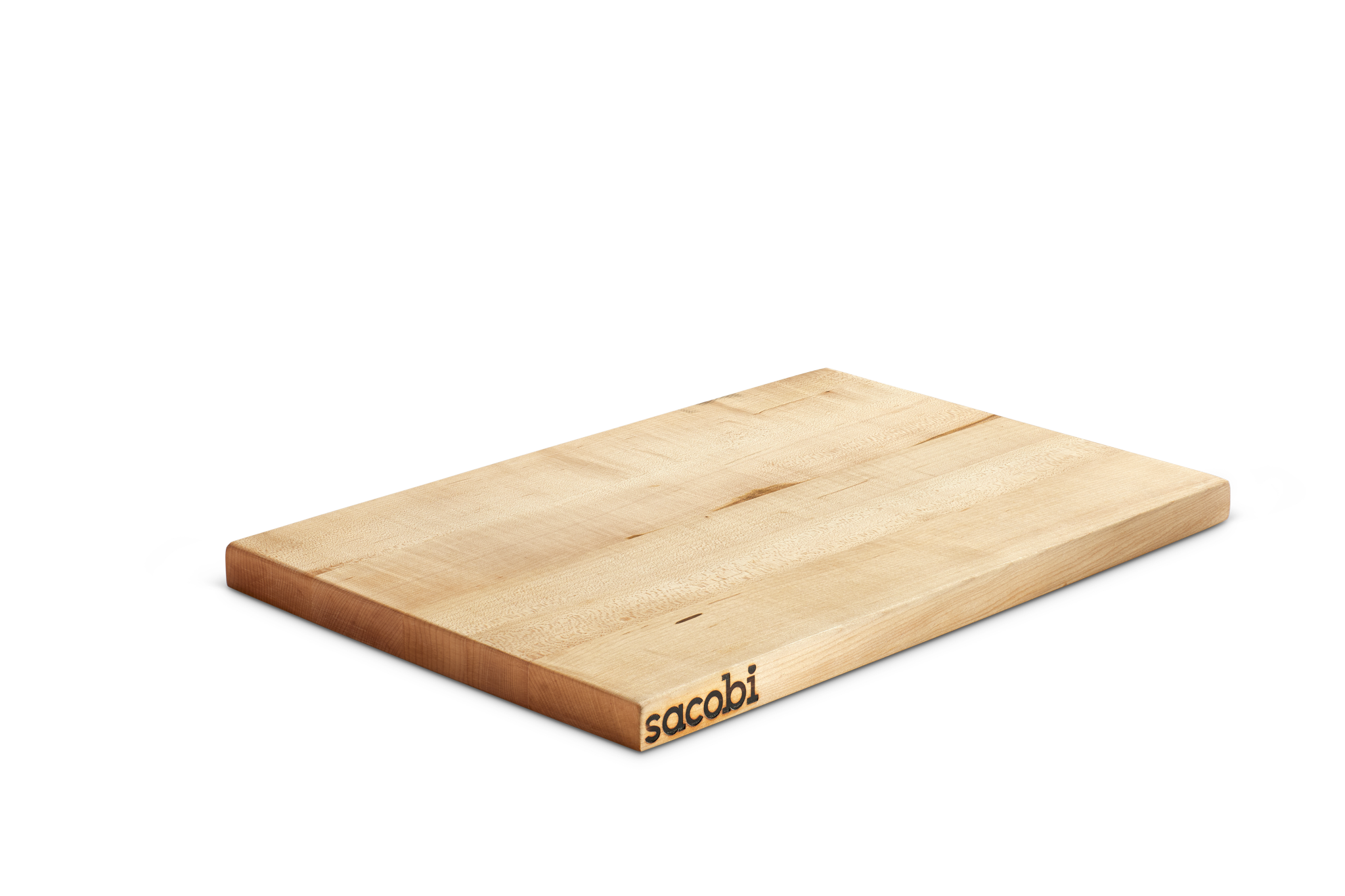
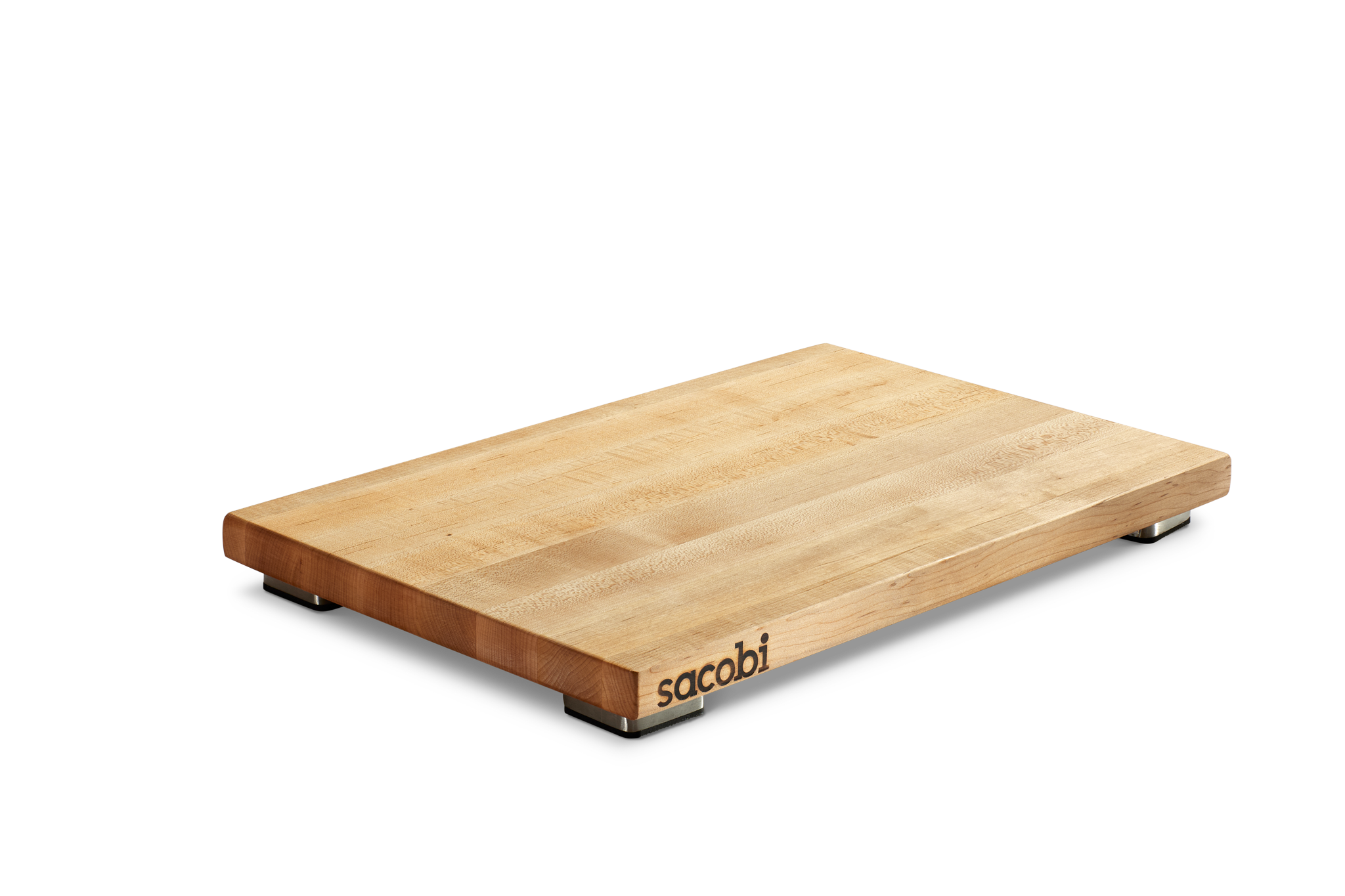
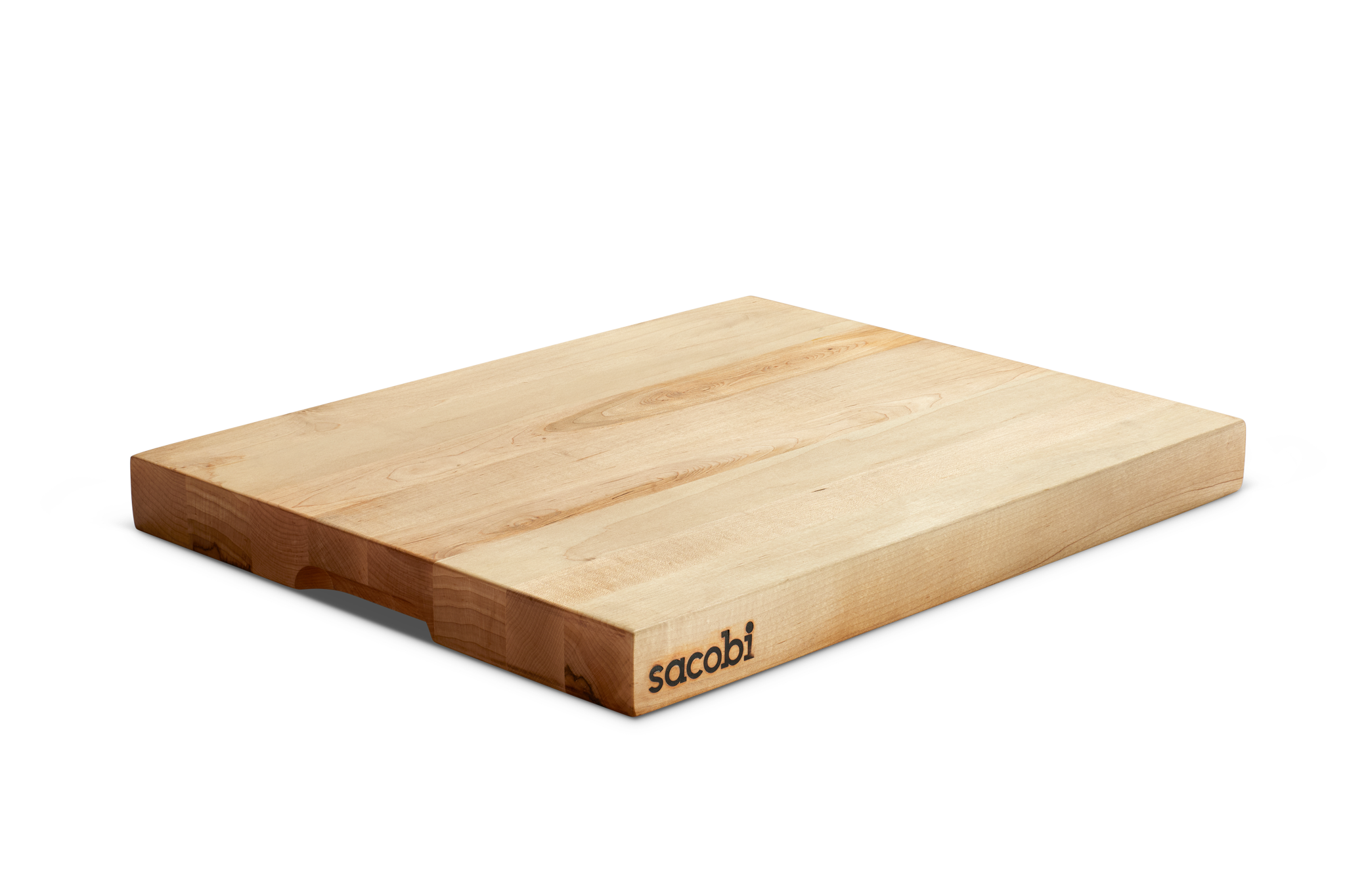
At Sacobi, we believe there isn’t a single “best” wood — it all depends on your preferences and how you use it. Maple is a classic choice, favored by chefs for its exceptional hardness (1450 on the Janka scale), making it resistant to knife cuts and wear. Its fine, tight grain naturally limits moisture and bacteria absorption, making it a naturally antibacterial option. Its light, neutral appearance blends easily with any kitchen style.
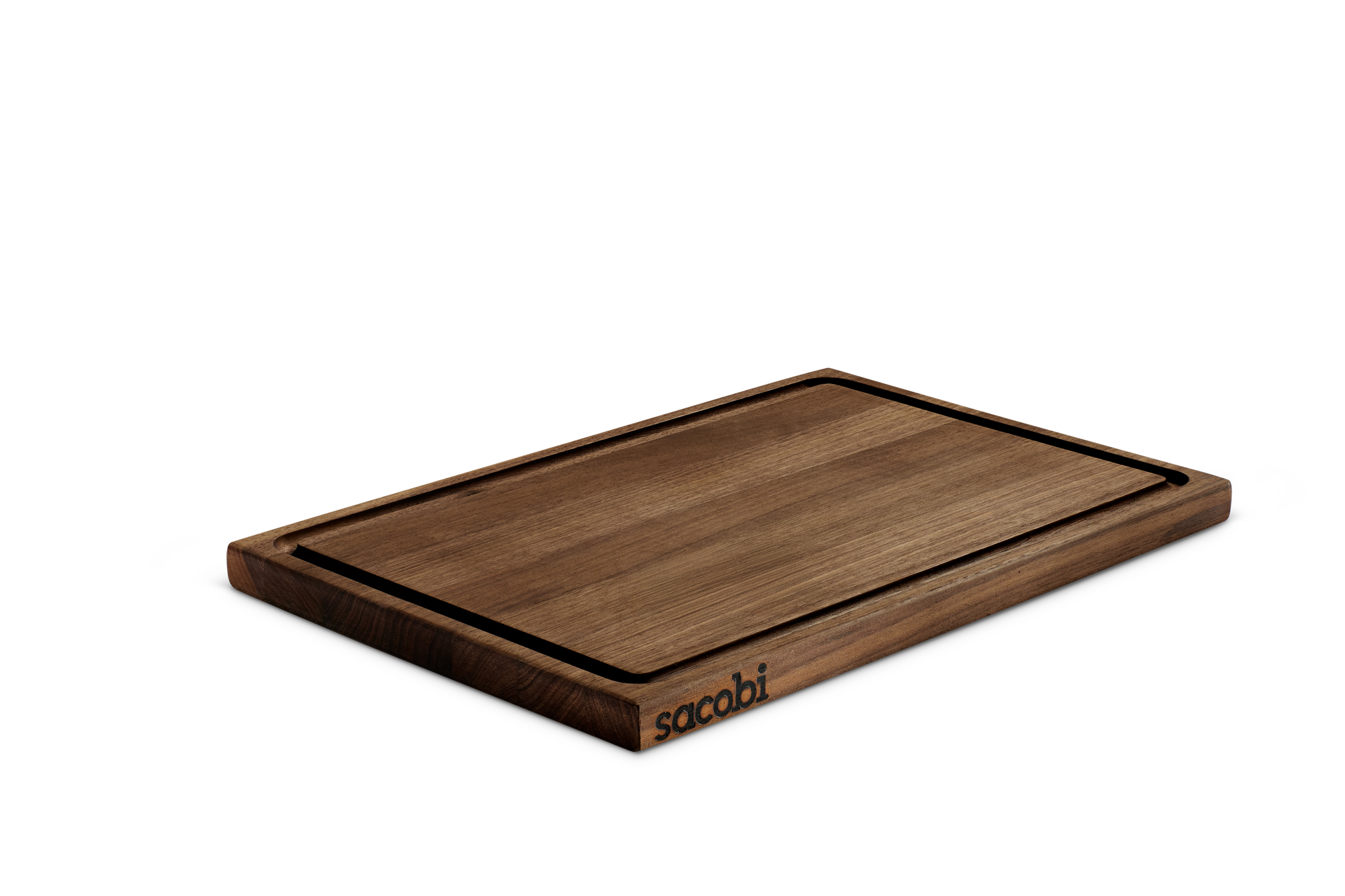
Walnut, on the other hand, stands out for its natural elegance and rich chocolate tone, which subtly darkens over time — a unique character few woods possess. Slightly softer than maple (1010 on the Janka scale), it provides a gentle surface for blades and a premium look that instantly elevates your kitchen space.
Can wooden cutting boards develop mold?
Yes, it can happen — but only if the board is not properly dried or stored in a humid environment. Wood is a natural, breathable material: when it stays in prolonged contact with water, it can retain moisture and promote mold growth.
To prevent this, always wash your board by hand with a mild soap, then dry it immediately with a clean cloth. Store it vertically to allow air to circulate freely.
Regular application of Sacobi cutting board balm also helps seal the wood’s surface, repel moisture, and maintain its natural beauty over time.
How to disinfect a wooden cutting board?
To disinfect a wooden cutting board without damaging it, use simple, natural ingredients. After cleaning it with mild soap and warm water, rub the surface with half a lemon and a bit of salt: this combination helps remove odors and bacteria while being gentle on the wood. You can also use a mixture of water and white vinegar for a deeper clean.
Once the board is thoroughly rinsed and completely dry, apply a thin layer of Sacobi cutting board balm. Its combined formula protects the surface, revitalizes the wood grain, and forms a natural barrier against moisture and bacteria.

Our boards
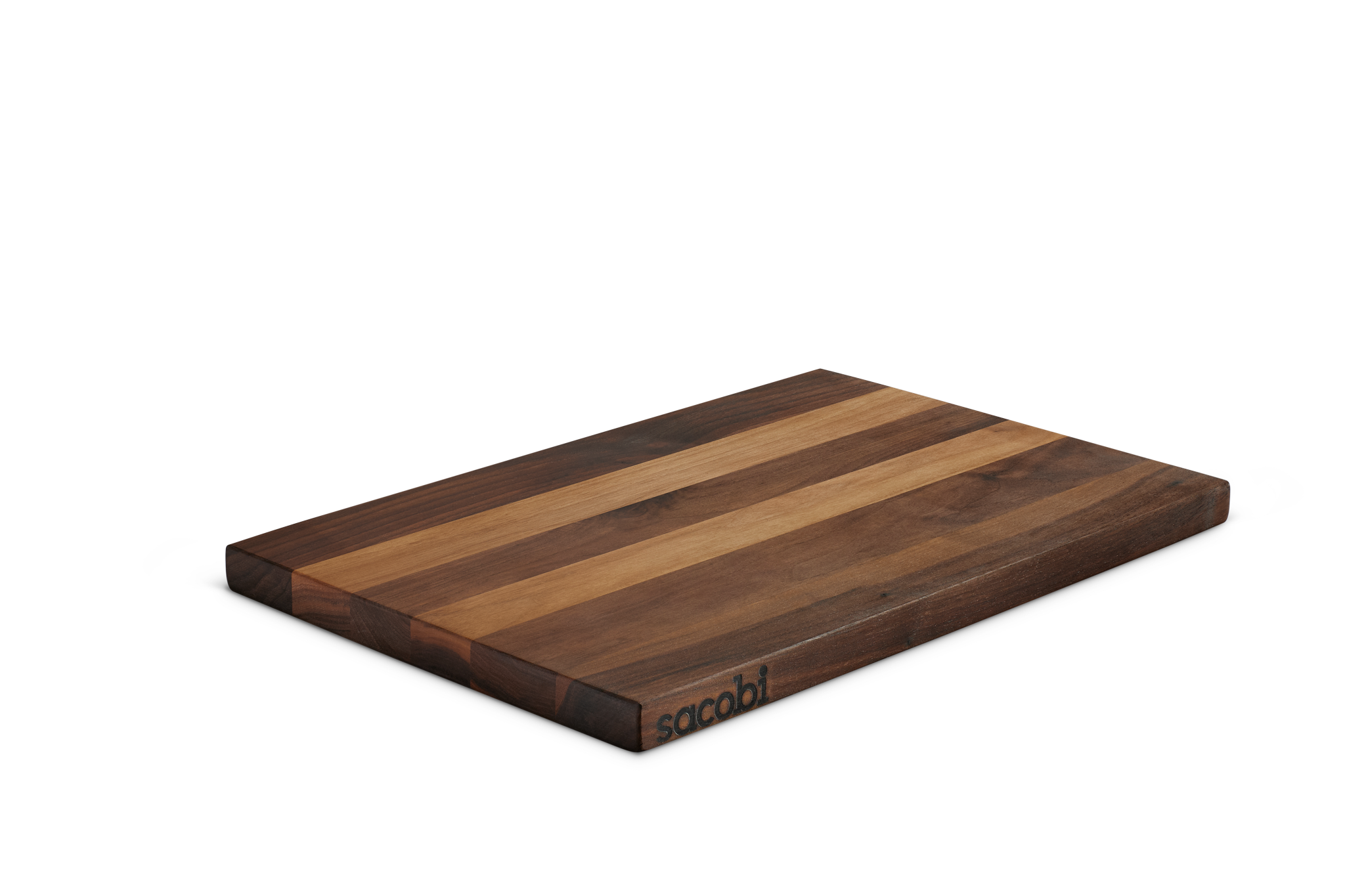
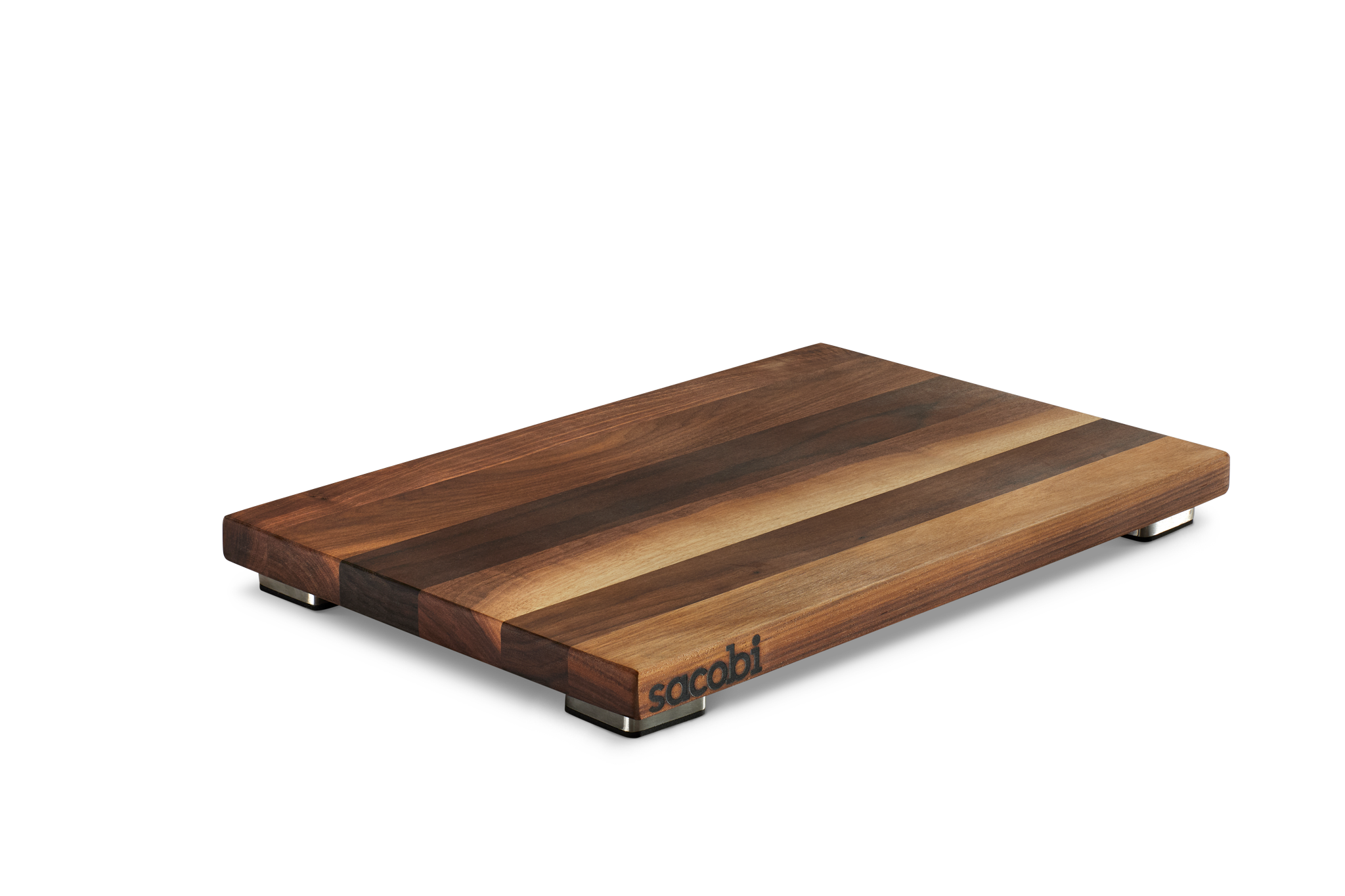
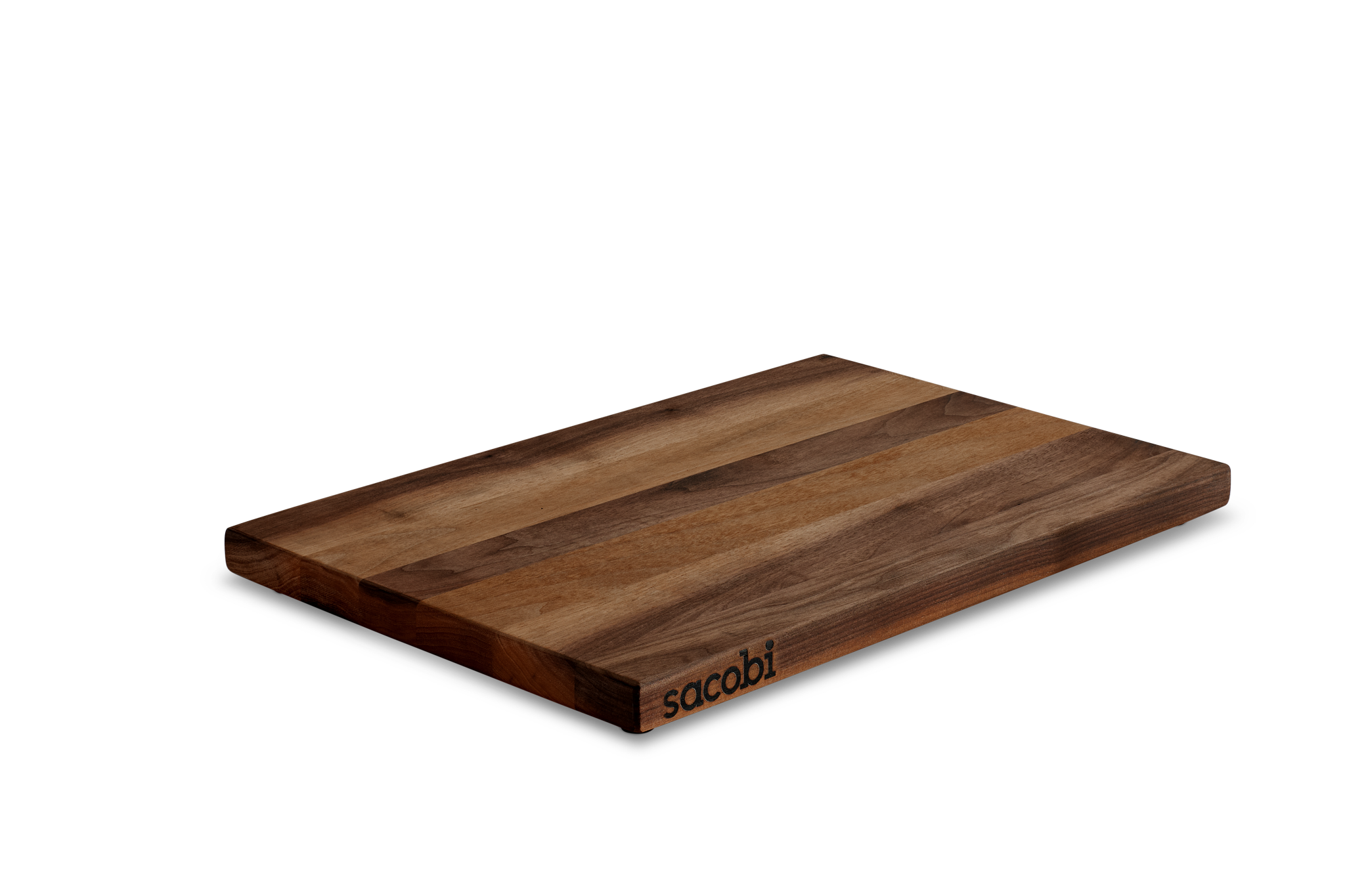
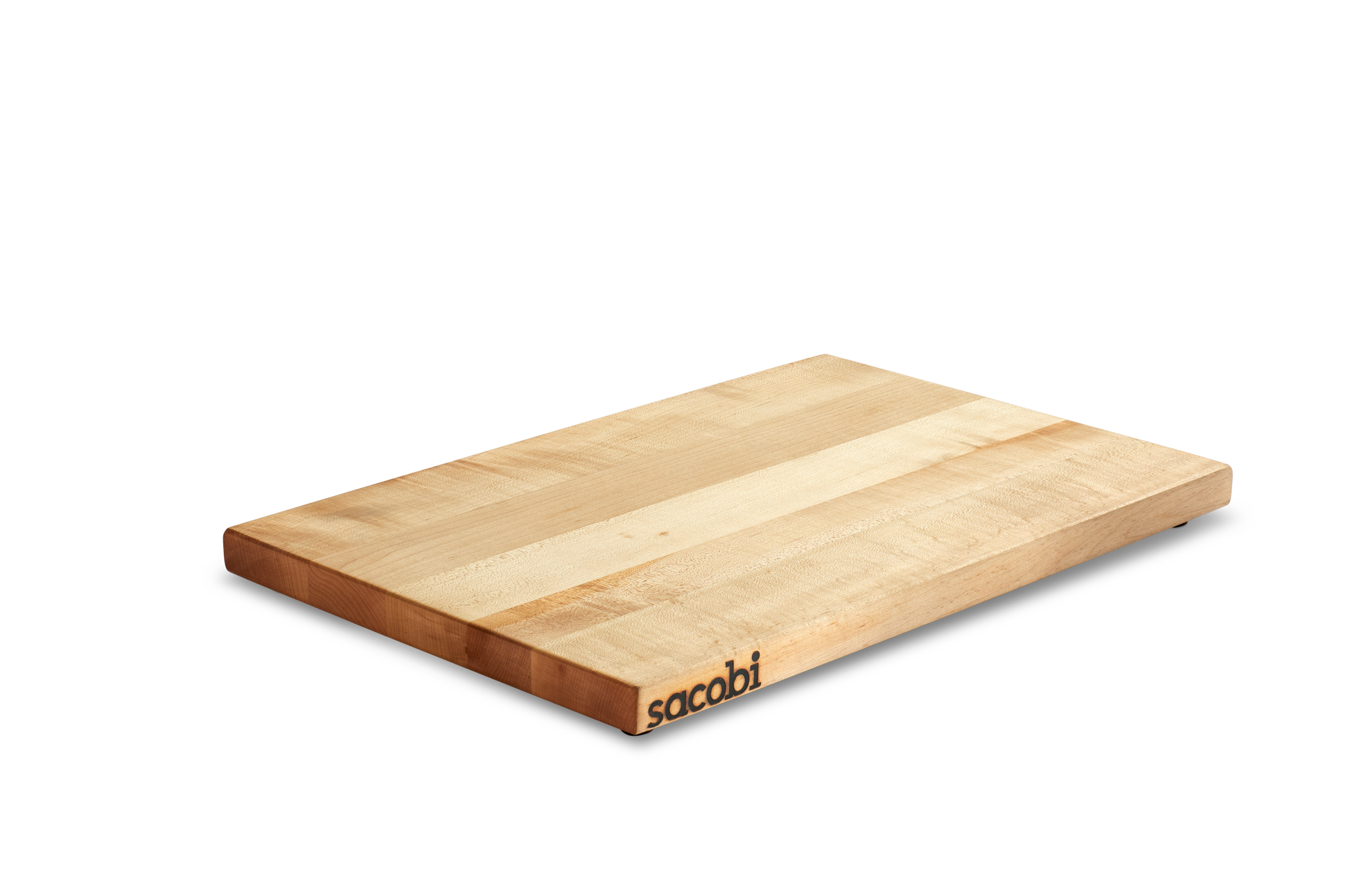
Personalized maple cutting board
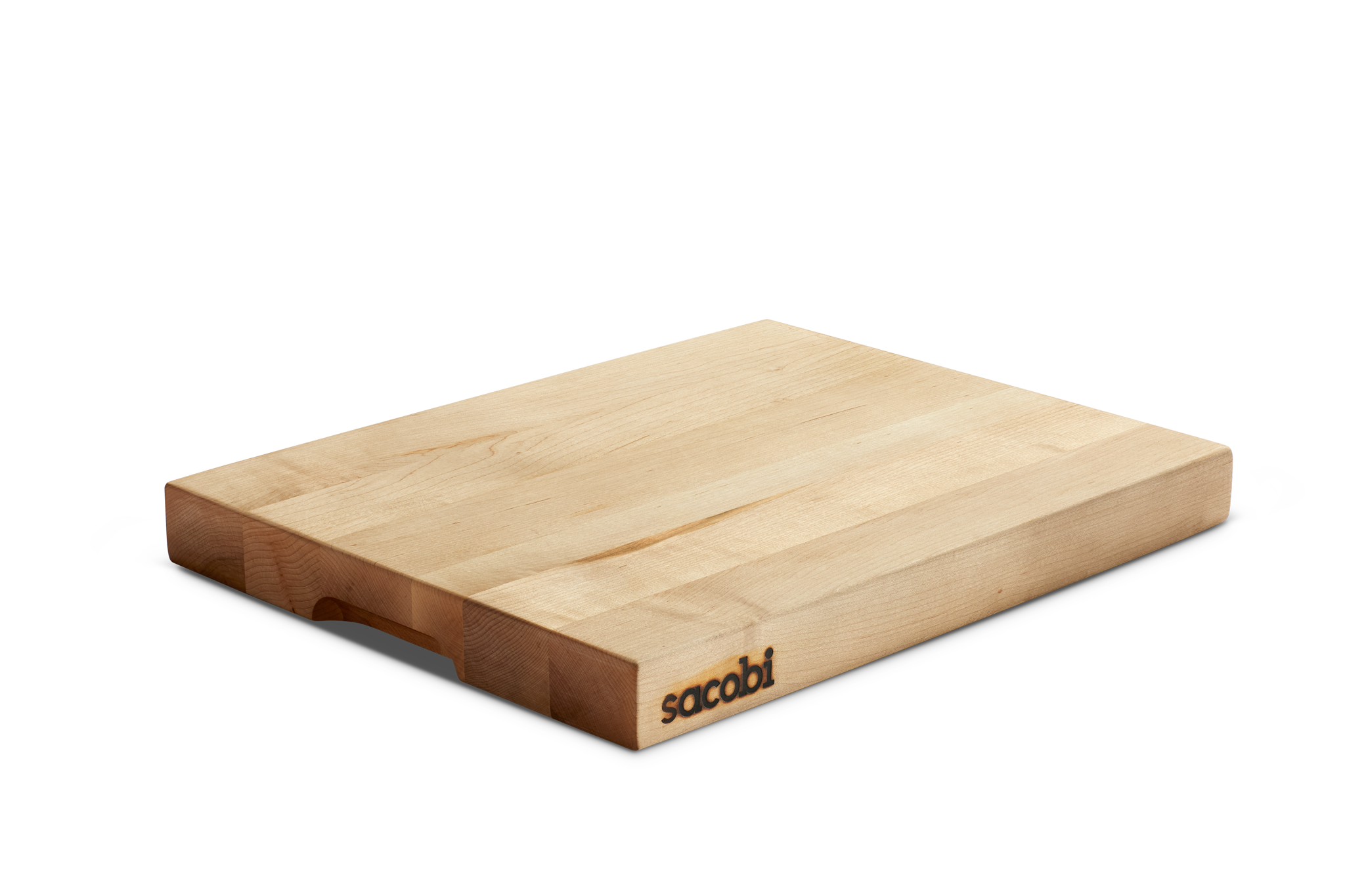
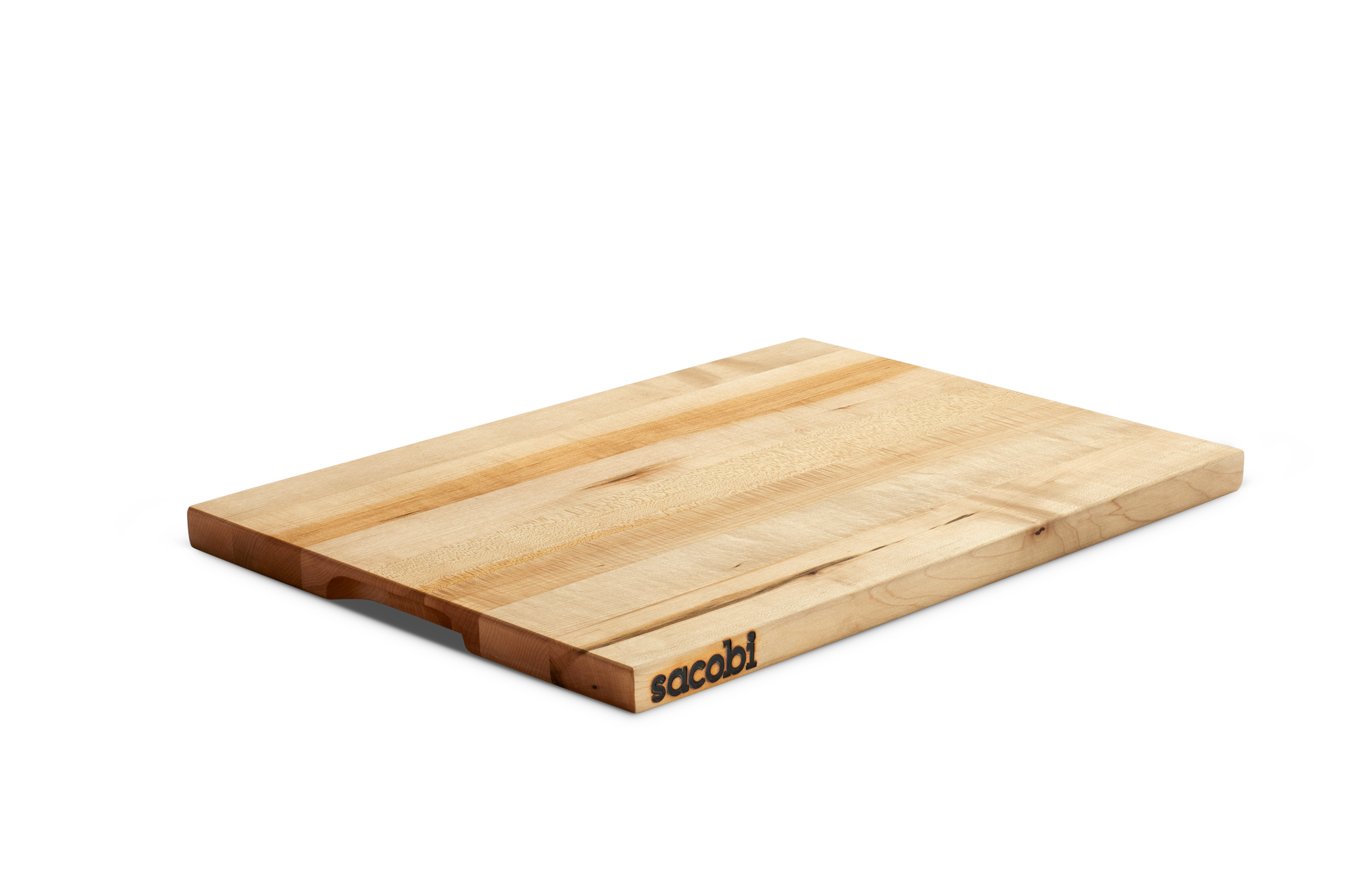
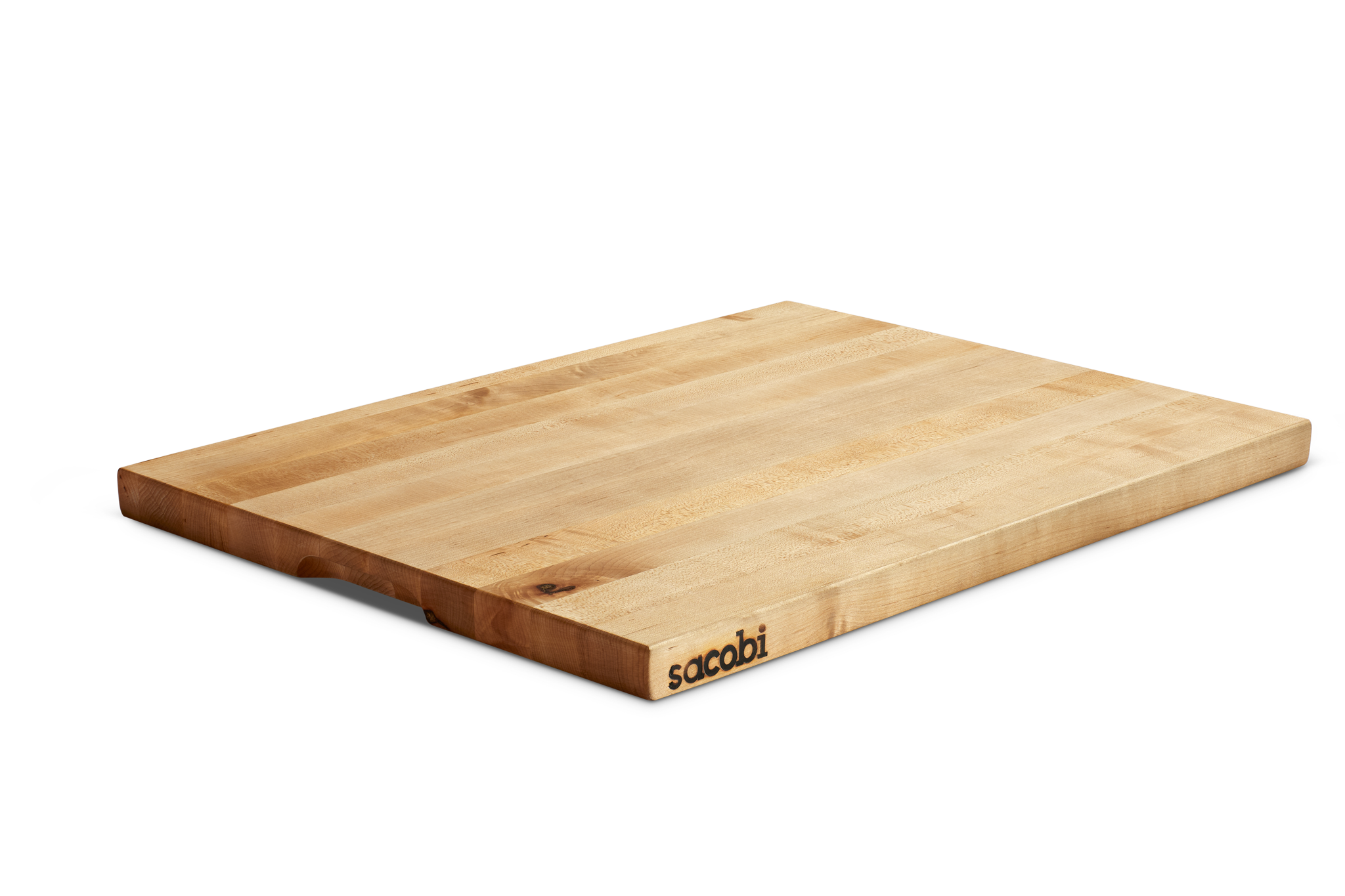
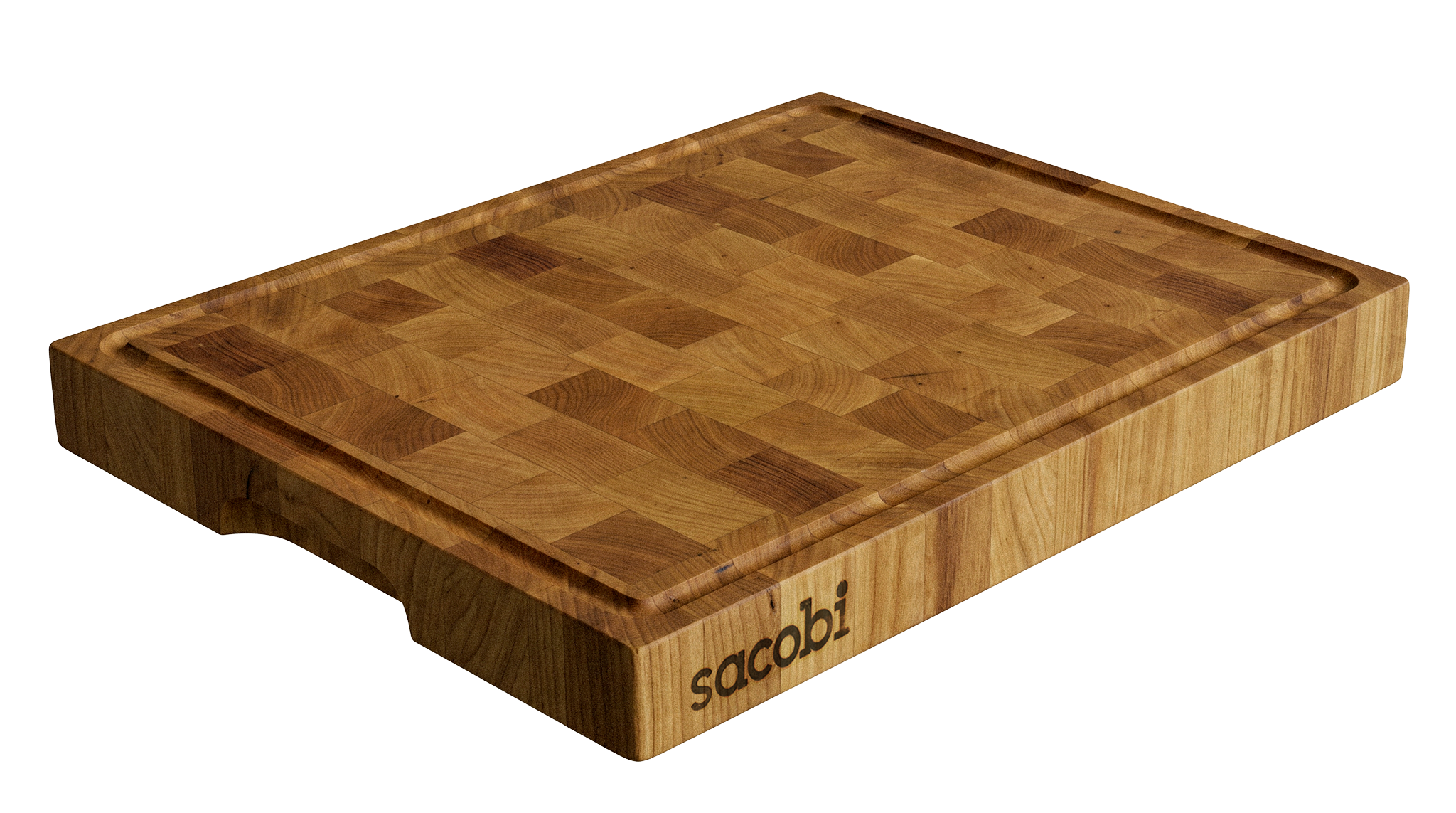
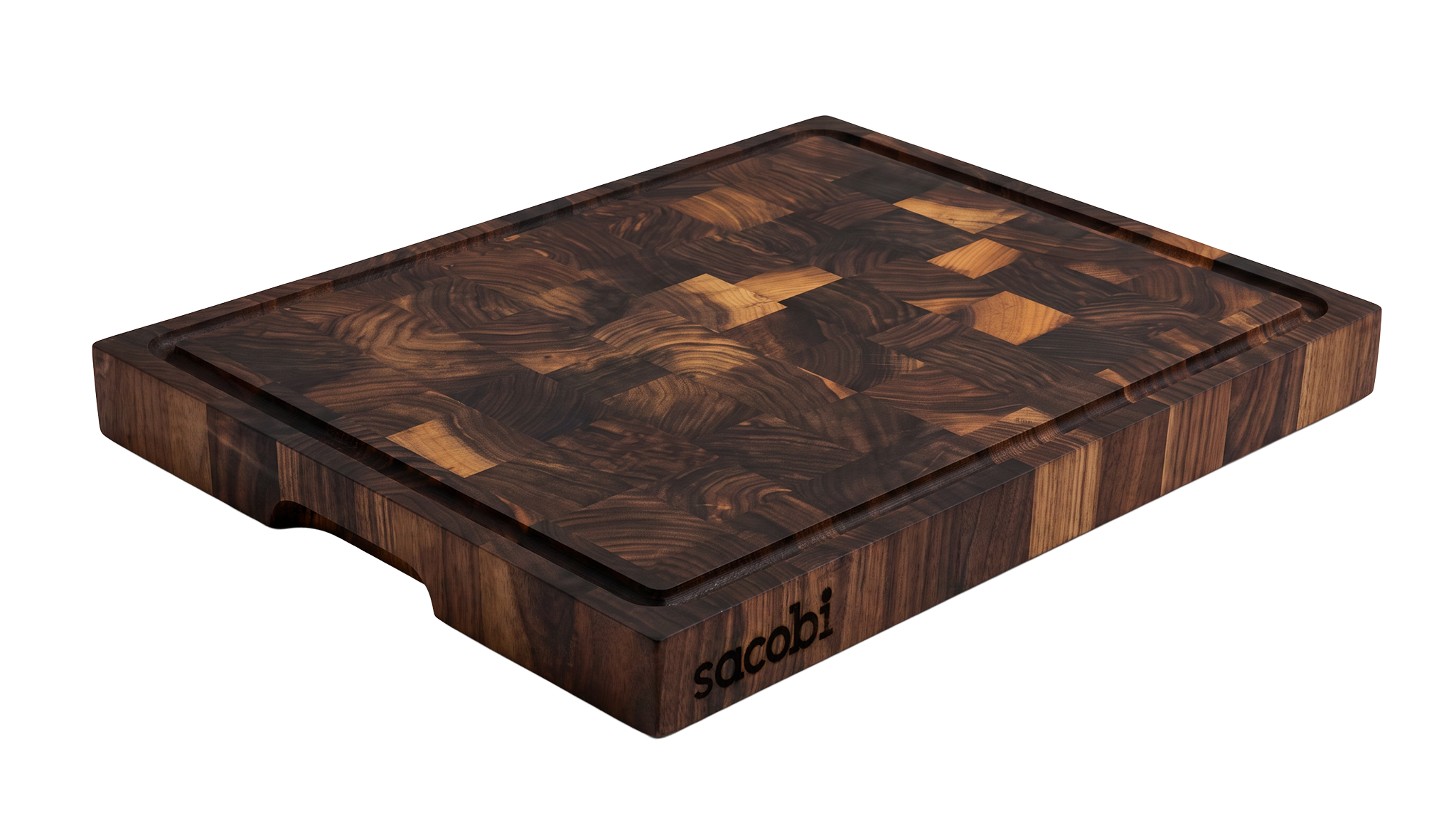
Walnut butcher's block 15x18x2
Personalized maple cutting board